01
You tell me about the claim
Complete the Claim Readiness Assessment. I will tell you honestly whether the claim appears viable.

For 30 years I assessed claims from the insurer's side of the table — including large and complex commercial losses. I now use that experience to help business policyholders present rejected and underpaid claims properly, so they get paid what they are actually owed.
Free initial assessment. No fee unless your claim value qualifies.
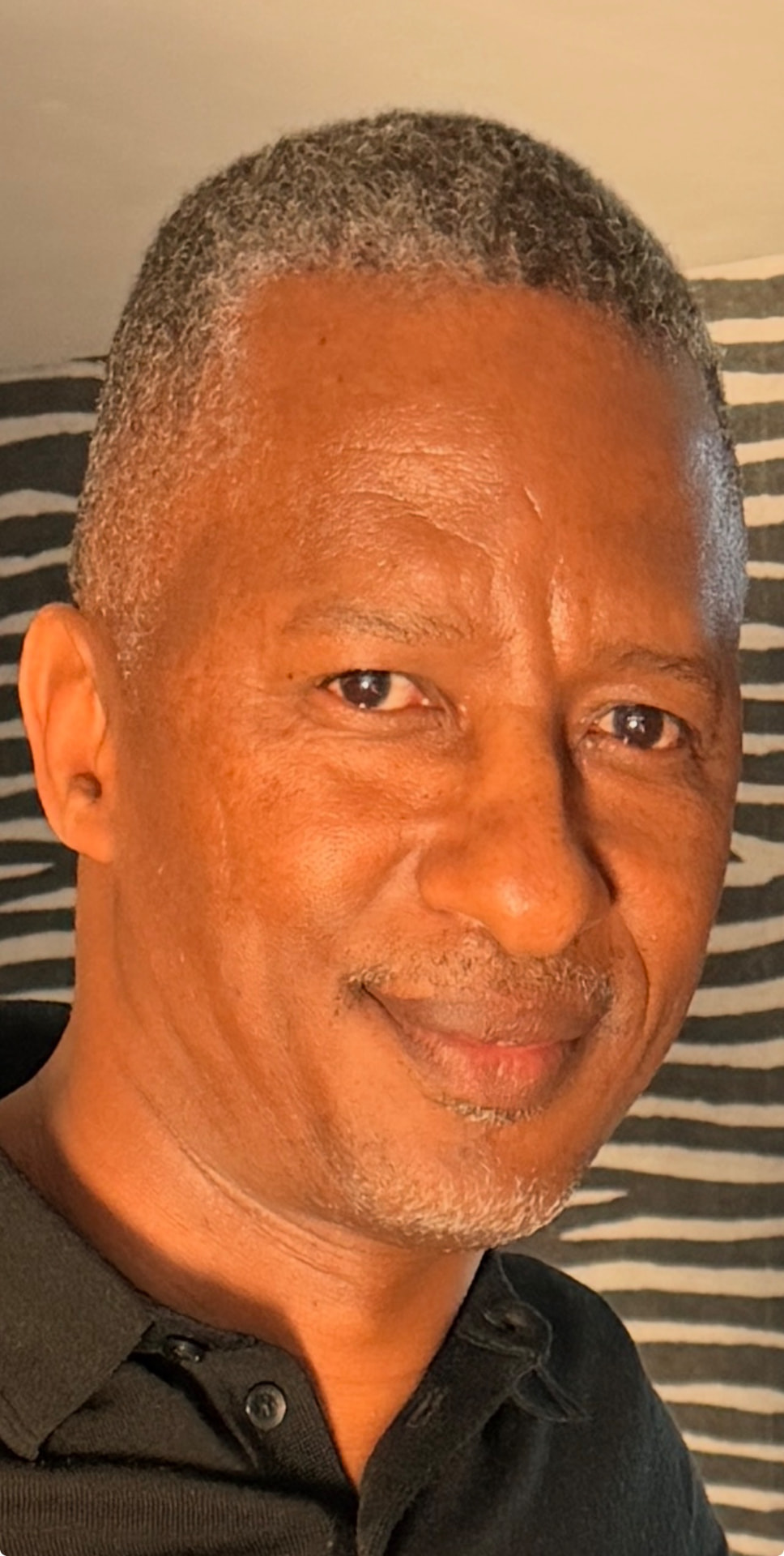
Most people are told that a public adjuster is “anti-insurer.” That is not what I do. A rejected or underpaid claim usually fails for one reason: it was not formulated, quantified or substantiated in the way an insurer requires. Emotion is not evidence. A number you hope for is not a number you can prove.
My job is to present your claim the way an insurer's own assessor would need to see it — properly measured, properly substantiated, properly costed. A well-formulated claim is easier for the insurer to settle, not harder. That is better for you, and often faster.
I am not here to fight your insurer. I am here to make your claim undeniable.
Anonymised case — commercial fire loss. An insurer applied “average” and underpaid a fire claim on a commercial building. We re-measured the building from the architectural drawings, applied a defensible blended rebuild rate, and demonstrated that the sum insured was in fact adequate. The insurer's basis for reducing the settlement fell away. Outcome: the claim was substantiated at its full value at risk.
Every claim is different, and no outcome is guaranteed. What is consistent is the method: measure it, substantiate it, cost it, present it.
Complete the Claim Readiness Assessment. I will tell you honestly whether the claim appears viable.
Measurement, substantiation and quantum — presented the way an insurer needs to see it.
Formulated, evidenced and costed so that the insurer can assess it clearly.
My fee is a contingency on a sliding scale, blended with a professional rate, agreed with you upfront in writing.
NKH Advisory is led by Mr Tjako Nkhahle. I bring thirty years in short-term insurance claims. I trained as a loss adjuster and have handled claims from the insurer's side — including the large and complex losses most adjusters never see.
I have assessed power surge and public liability claims against water and electricity utilities, and worked with municipal self-insurance funds. I have a legal background, which matters when a claim turns on the wording rather than the facts. Where a loss is technically complex, NKH works with ECSA-registered engineering expertise to establish cause, extent and defensible quantum.
I know how insurers decide. That is exactly why I am useful to you.
It costs you nothing to find out. If your claim does not qualify, I will tell you — and tell you why.
Prompt notification protects your rights under the policy and helps ensure every damaged item is properly considered. If you are unsure how to report it, or have already been rejected, contact us today.